
Coffee With Catt: Issue #9 | Buckle Up
Unhinged
‘The Smiler’ rollercoaster at UK theme park Alton Towers has an unmatched 14 thrill-seeking loops. This autumn, investors may have a similarly ‘unhinged’ ride.
Equal parts joy and fear… are you ready?

Commodities are dirt plus diesel
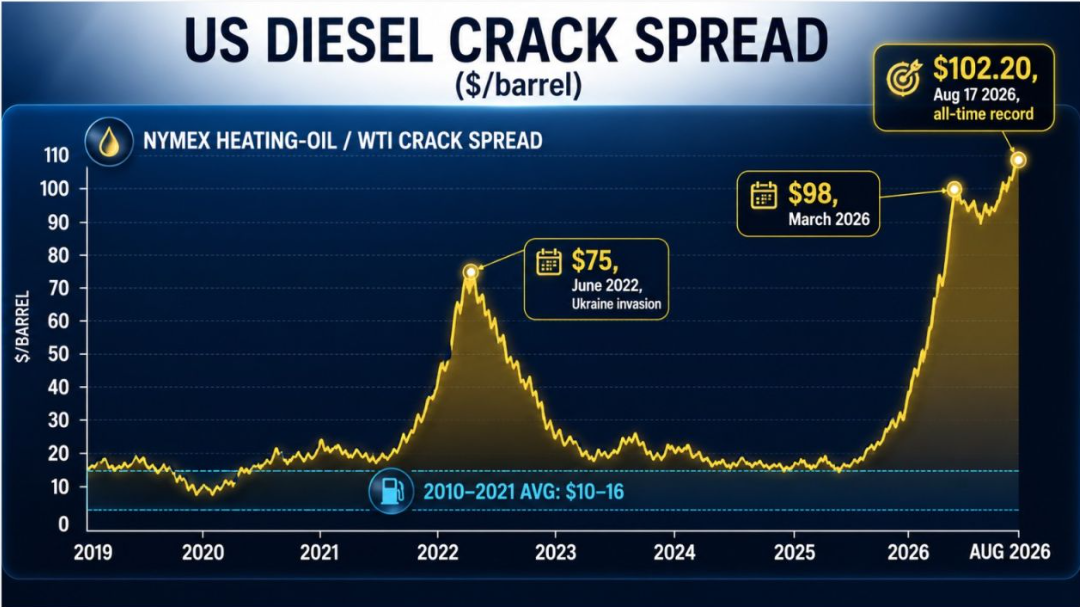
Every commodity is dirt plus diesel. Diesel is the cost base of everything. Every container, every tractor, every locomotive, every mine truck… (Jeff Currie). The cost of turning crude oil into diesel fuel is at all-time highs.
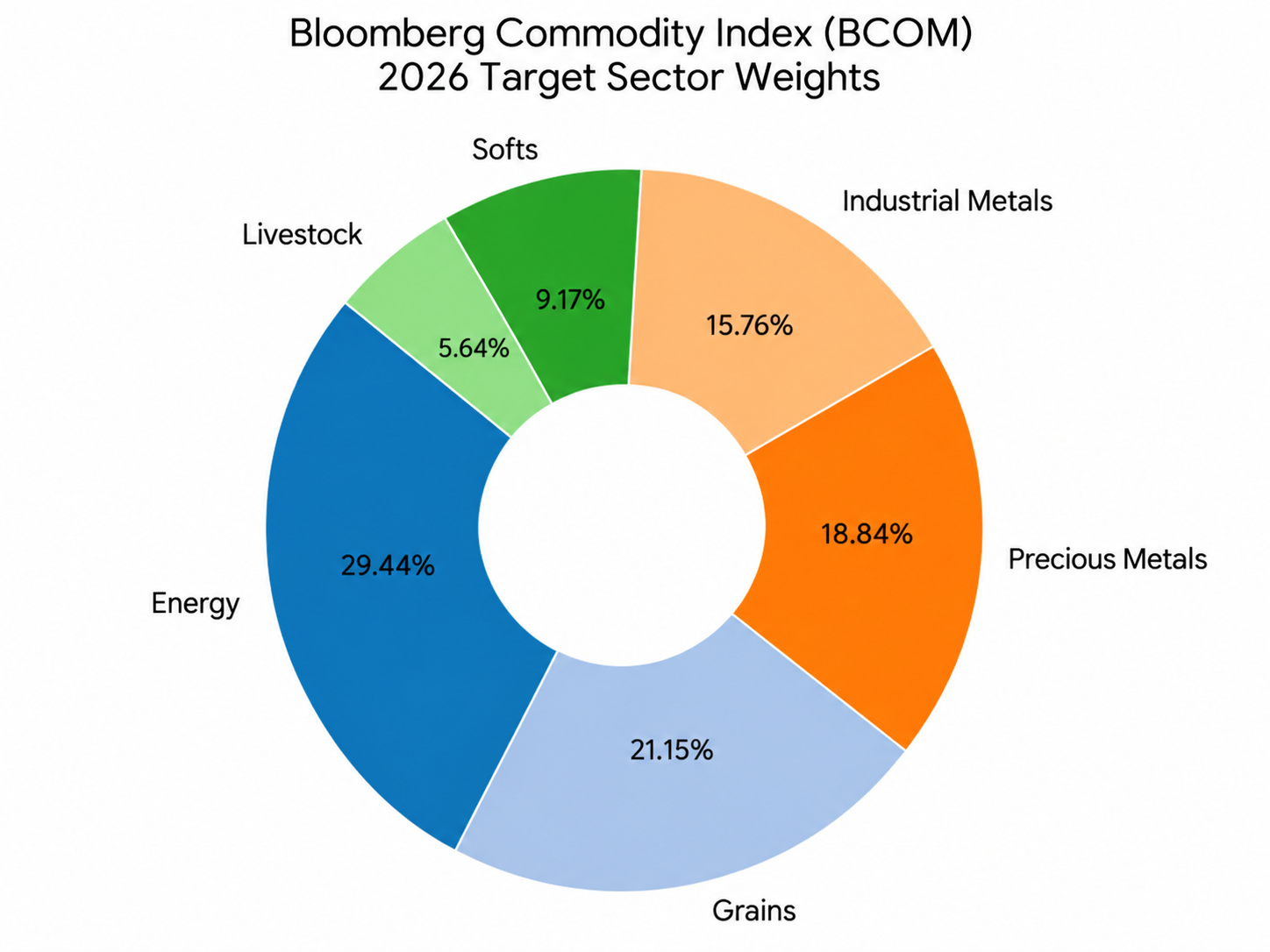
The Bloomberg Commodity Index comprises the world’s most important raw materials.
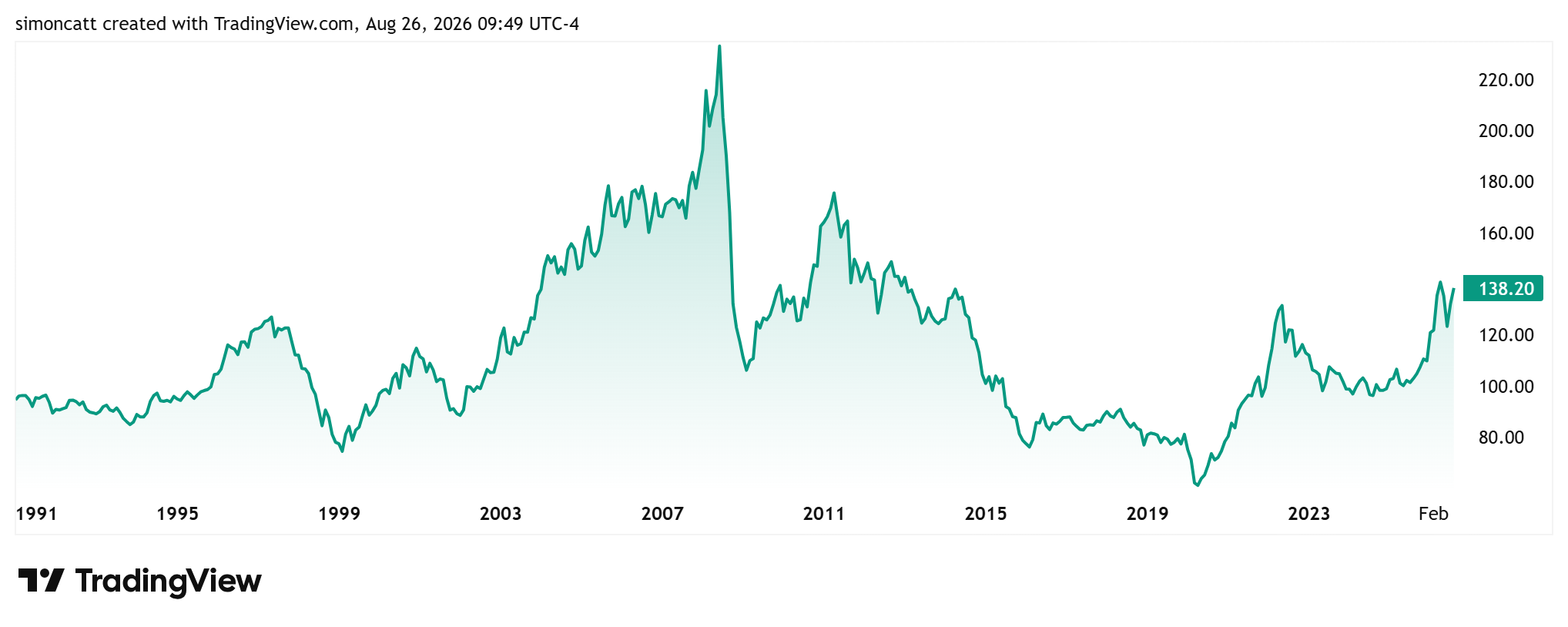
The price of diesel feeds through into the cost of all other commodities because it is used as the fuel to produce those commodities and deliver them to the consumer.
With 5 million barrels of diesel refining capacity knocked out by war and US diesel inventories at 30-year lows, you can see why the Bloomberg Commodity Index chart looks like it’s about to go VERTICAL:
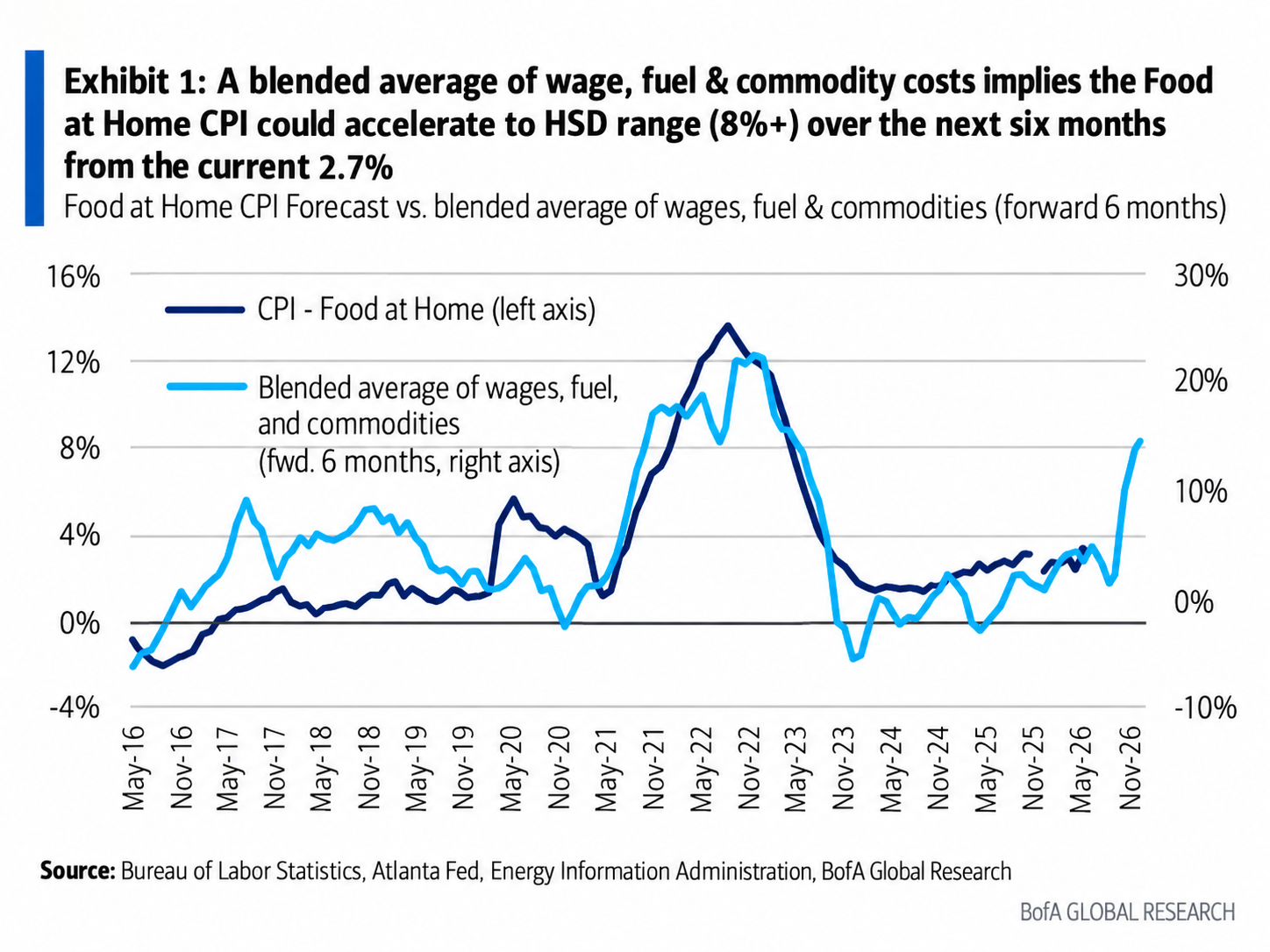
Autumn grocery bill may rise 10%
War and weather, combined with wages and diesel shortages, mean we will likely be paying 10% more for our groceries this northern hemisphere autumn. Just in time for US midterm elections:
Tough day at the office
US Treasury Secretary Scott Bessent is currently failing to manage the world’s most important price: the yield of US Treasury bonds.
I wouldn’t want Bessent’s job, contemplating his mercurial boss, US$40 trillion of debt and eroding US economic and military hegemony.
Imagine the finance director of a hopelessly profligate and indebted business cheerfully “restructuring” the overdraft while the boss backs a van up to the safe, pockets the silverware, and insists liquidation day is “fake news.”
If the price of money rises too much, growth will slow as credit contracts and asset prices fall.
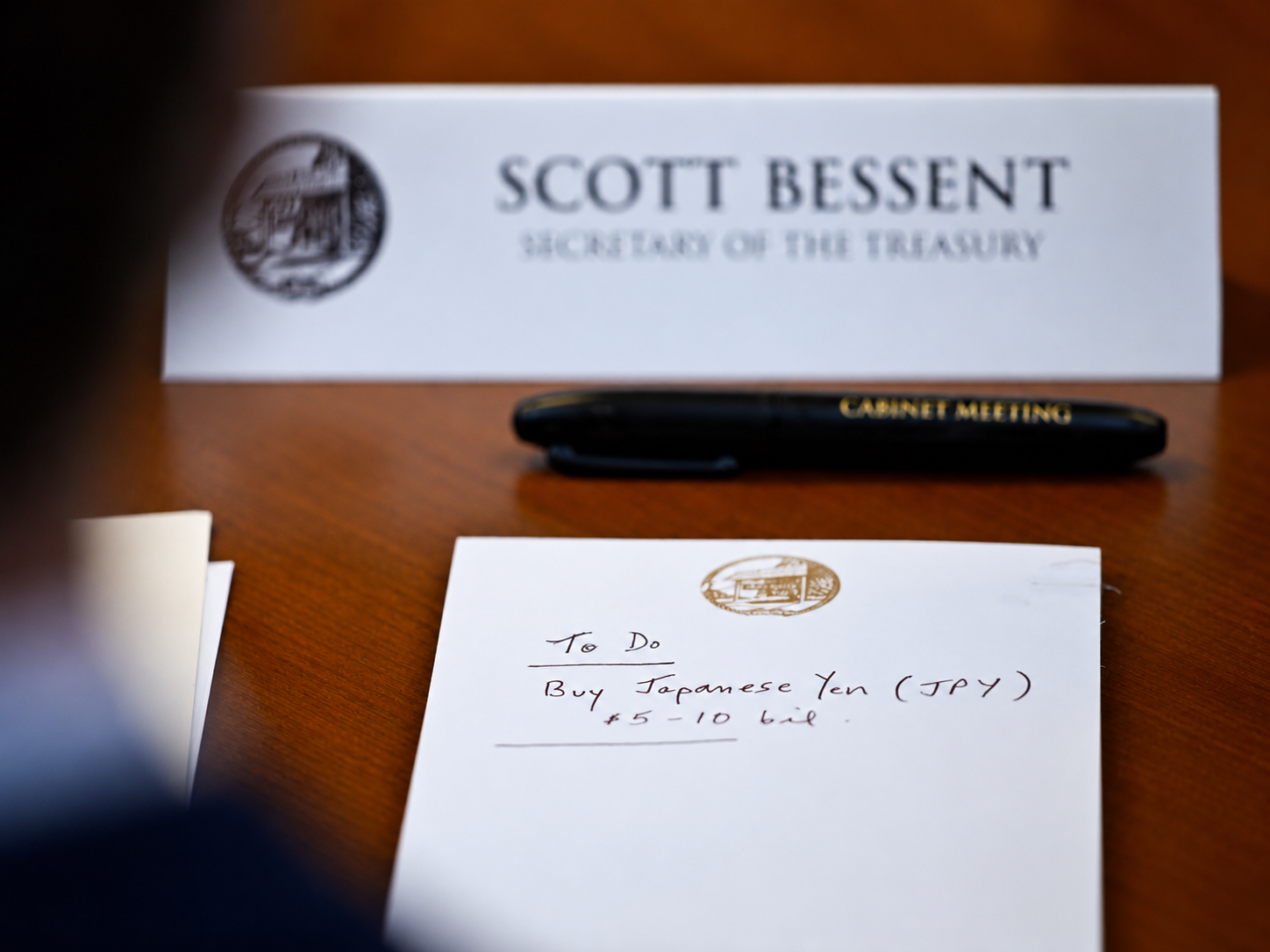
Bessent wants you to know the US Treasury is supporting Japan’s Ministry of Finance in buying Japanese yen, the first such intervention since 2011. Bessent is trying to stymie the supply of foreign-owned US Treasuries from forcing up yields.
Speaking to reporters on Air Force One, Trump said Japan had asked for help and the U.S. was happy to oblige.
“They wanted a little bit of help and we’re always there for Japan. Japan has been very good to us,” he said, “with the exception, of course, of Pearl Harbor.” [Donald Trump]
Things sure have changed since Henry Kissinger ran US foreign economic relations for Nixon, although the goal of US hegemony remains.
We look forward to Trump’s next meeting with Xi, which might be at the end of September.
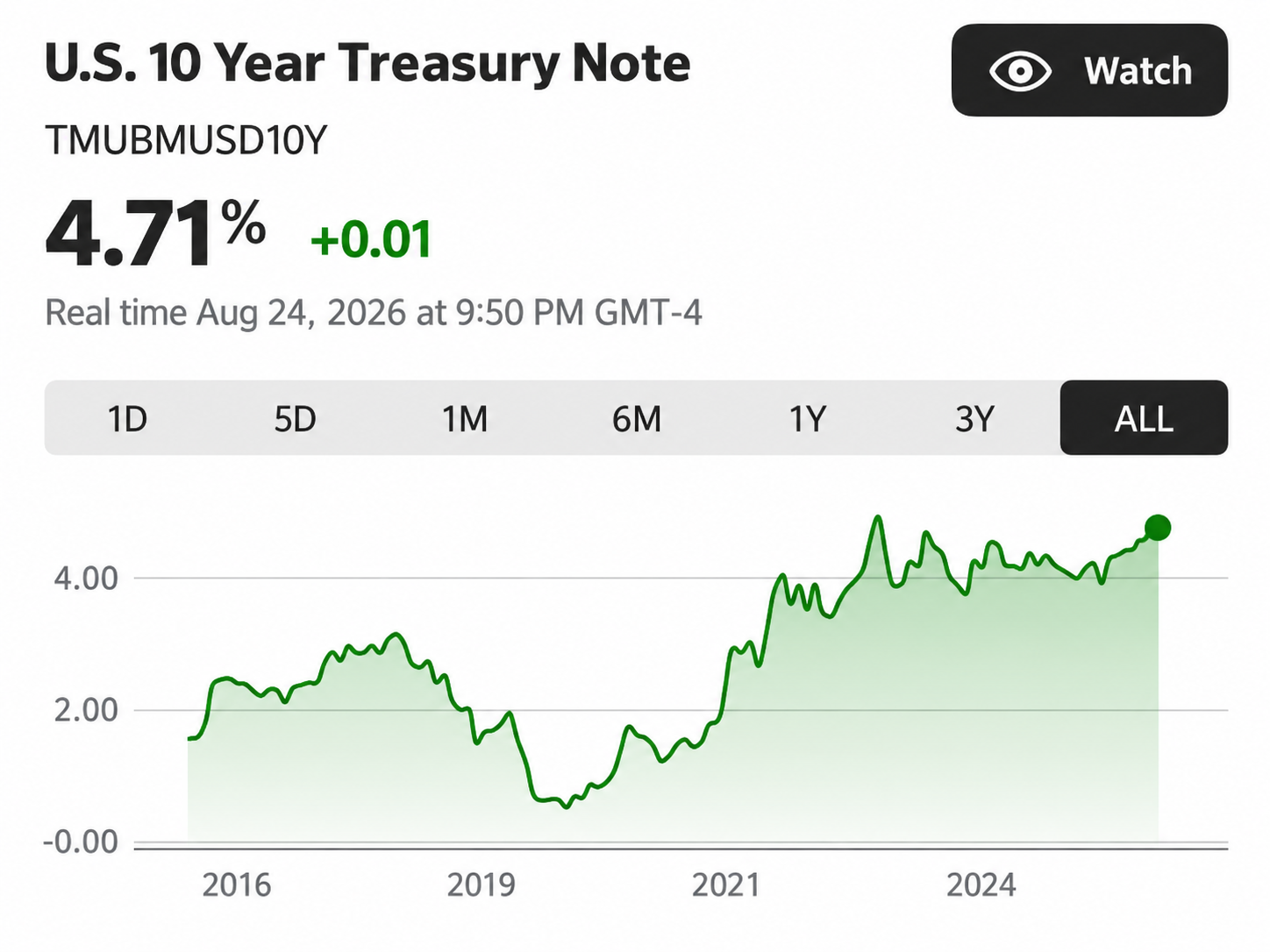
Both Japan and China, the No. 1 and No. 3 holders of US Treasury bonds, led foreign sales, which amounted to US$72 billion of Treasuries in June. Japan and China have sold about 10% of their US Treasuries in 2026.
The US Federal Reserve is the marginal buyer of US Treasury bonds, having bought about US$250 billion worth in 2026, roughly what foreigners sold.
Let the bond market speak
Stanley Druckenmiller, mentor to US Treasury Secretary Scott Bessent, reckons he is spitting into the wind:
“The long-term Treasury yield is the most important price in the world. It is also the only fiscal disciplinarian the US has left.”
“Governments defending prices against fundamentals always lose. The only variable is how much they spend before conceding.” Stanley Druckenmiller, Wall Street Journal, August 24th
The trade is G O L D
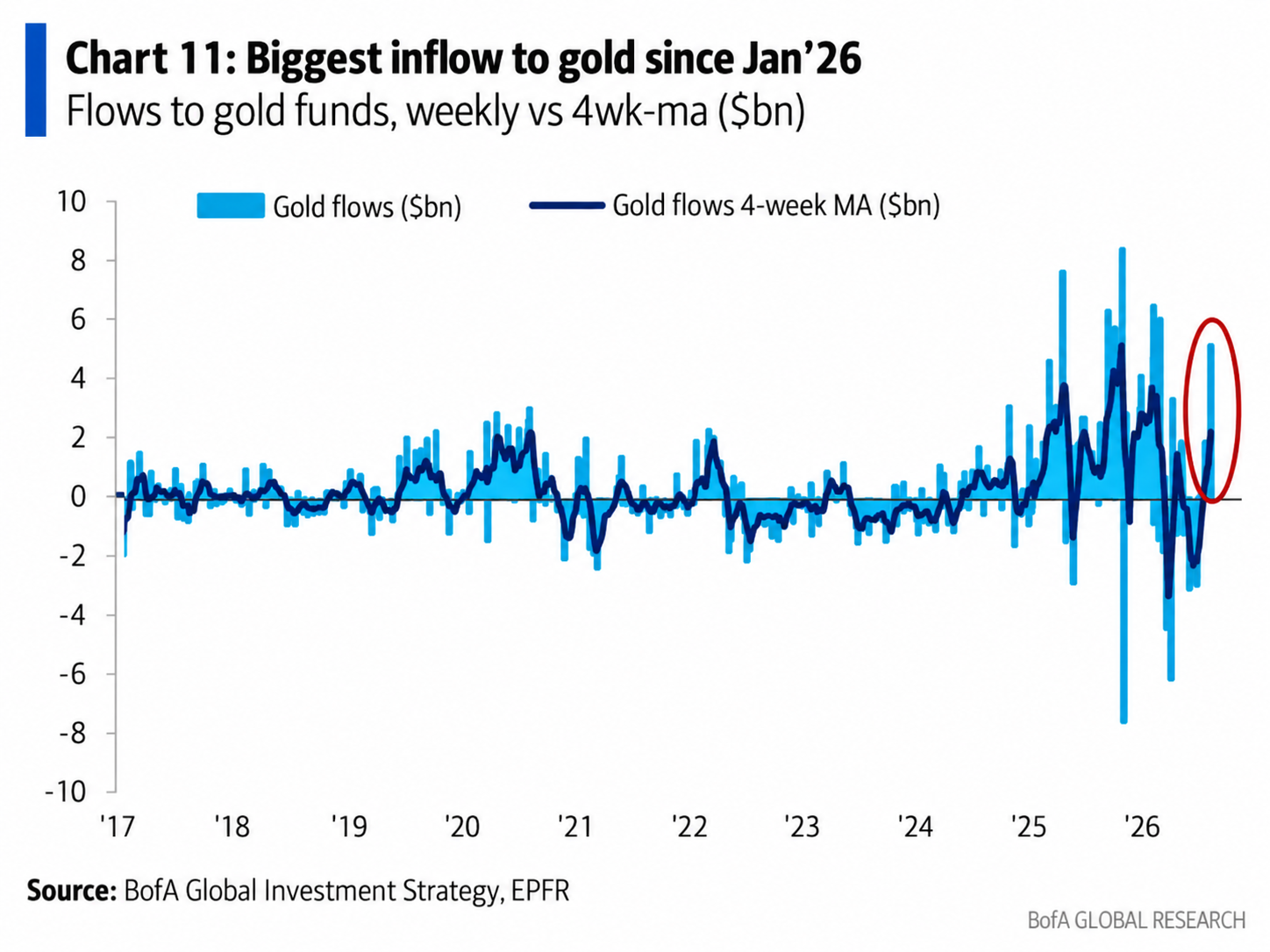
Gold has woken up. Call it Quantitative Easing (QE), Yield Curve Control (YCC) or just old-fashioned money printing. Buckle up, sister. We are going to new all-time highs for gold and silver within months.
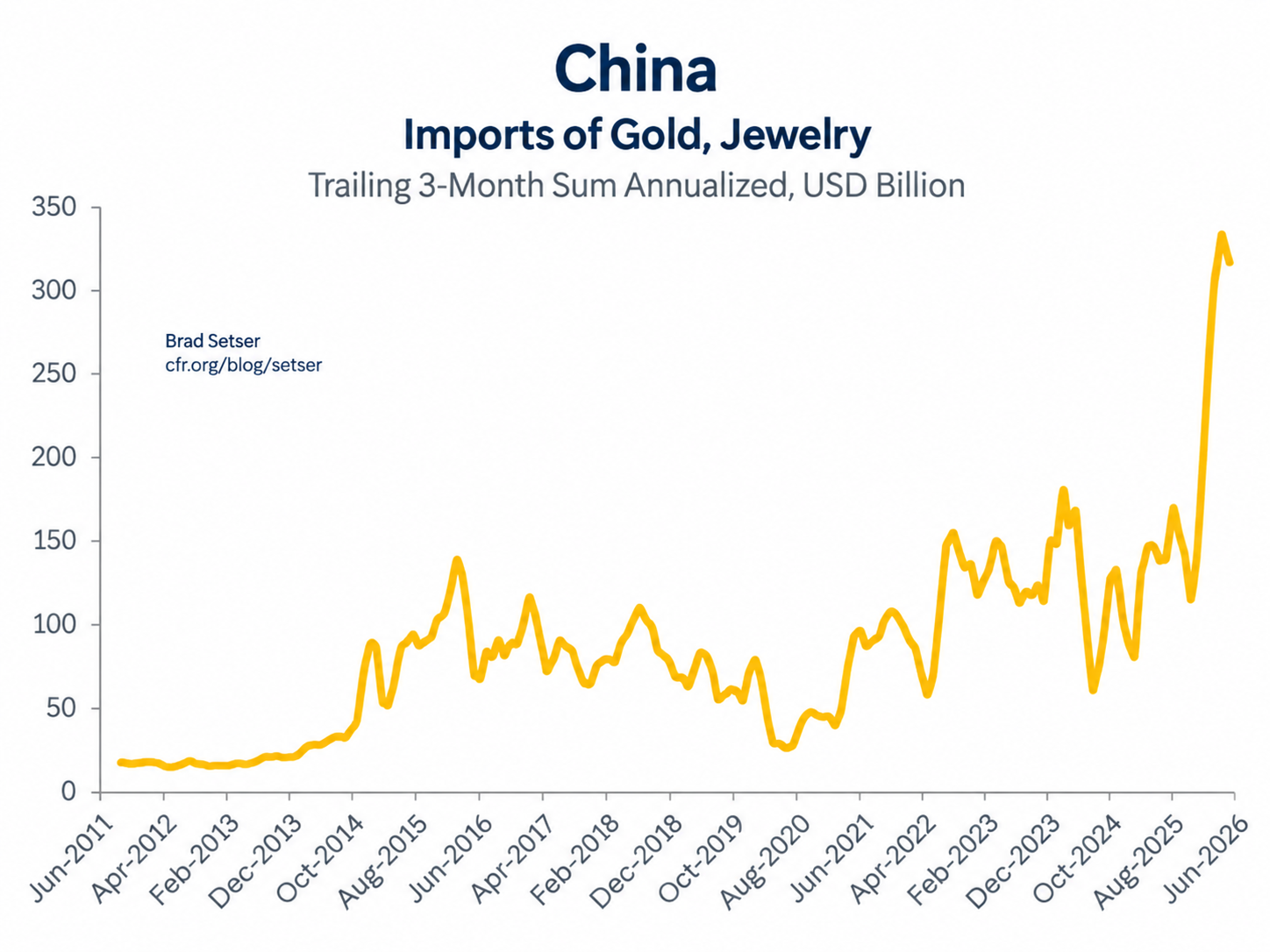
China never blinked and accelerated its gold purchases in the first half of 2026.
I want to touch it
Hong Kong Exchanges and Clearing (HKEX) reported record physical gold deliveries on August 19th linked to its dollar-denominated gold futures contract. The exchange physically delivered 145kg (319.67 pounds) of gold — the highest single-day delivery since the futures contract was launched in 2018.
The Hong Kong exchange is expanding its physical storage capacity from 200 to 2,000 tons of gold.
War metal
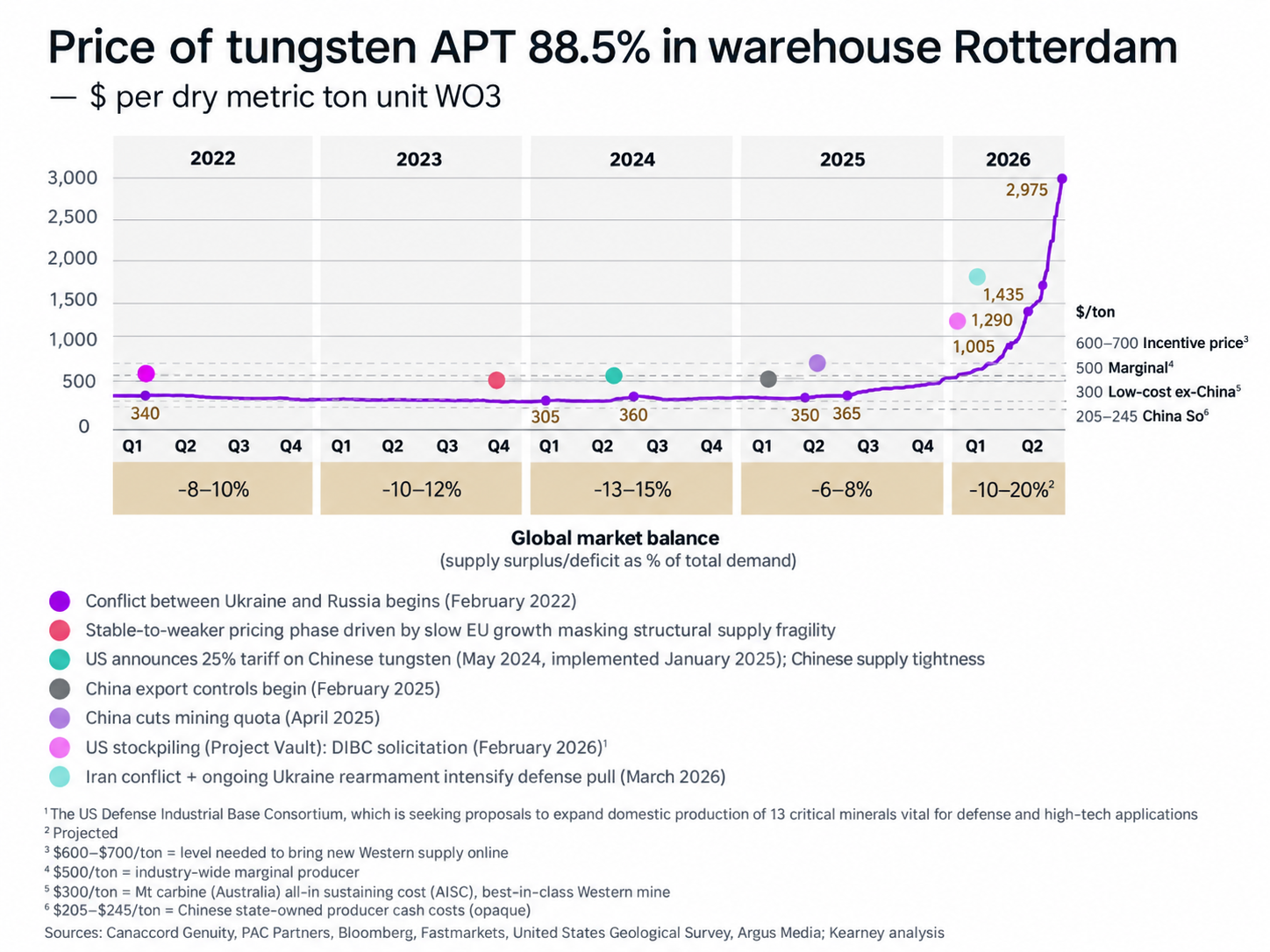
Tungsten is up 1000% in a year to about $3,000/ton, to now a $50 billion annual market. Tungsten is useful for war because it is the hardest, densest element known to man, with a high melting point. When you combine tungsten with carbon, you create a cutting material almost as sharp as diamonds. A good primer on tungsten from the Oregon Group is here:
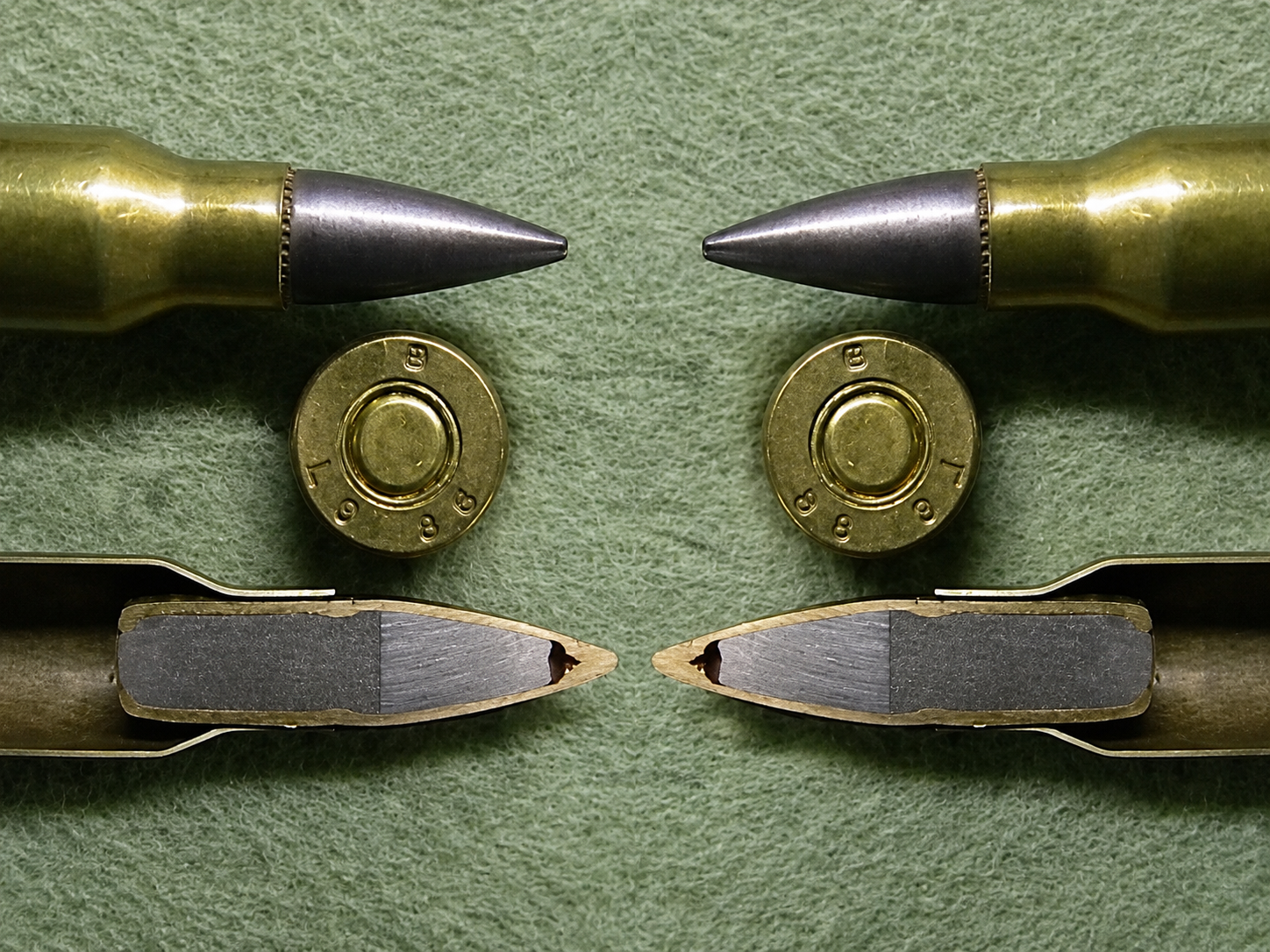
I recently visited the western world’s most important tungsten mine, EQ Resources Mount Carbine mine in North Queensland, Australia.
Mount Carbine was named after the 1890 Melbourne Cup race winner ‘Carbine’. The mine closed when tungsten prices collapsed after the end of World War One. In the 1970s and 80s, Mount Carbine, like today, was Australia’s most important tungsten mine.
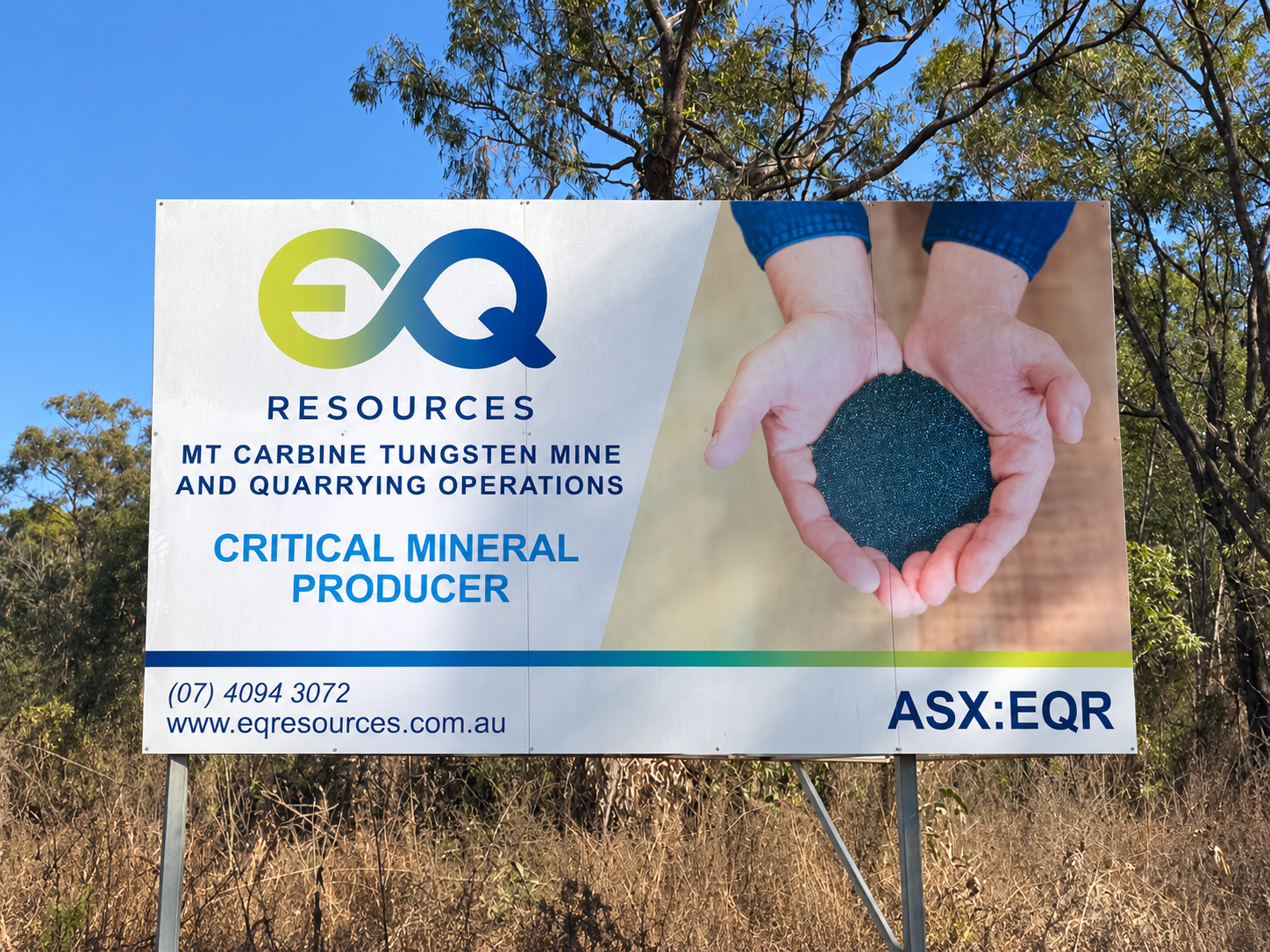
Mount Carbine — the most important non-Chinese tungsten mine
Some things I learned were:
Only 12 months ago, EQ Resources could not pay the wage bill. Today, after a 1000% rally in tungsten in a year, EQ made a US$30 million operating margin in July alone.
Production at Mount Carbine in Australia should double from Q1 2027. Plus, EQ has a tungsten mine called Barruecopardo in Spain. Together, both mines should produce around 5,000 tons of tungsten in 2027.
If ex-China tungsten prices hold up at current levels, around $3,000/ton of Ammonium Paratungstate (APT), EQ Resources should make over A$700 million/US$500 million in 2027, putting EQ on a 2.5X cash-flow multiple.
The processing expertise at Mount Carbine comes from management led by Craig Bradshaw, who used to operate the 3,000 tpa Nui Phao tungsten mine in Vietnam, operated by Masan High Technology.
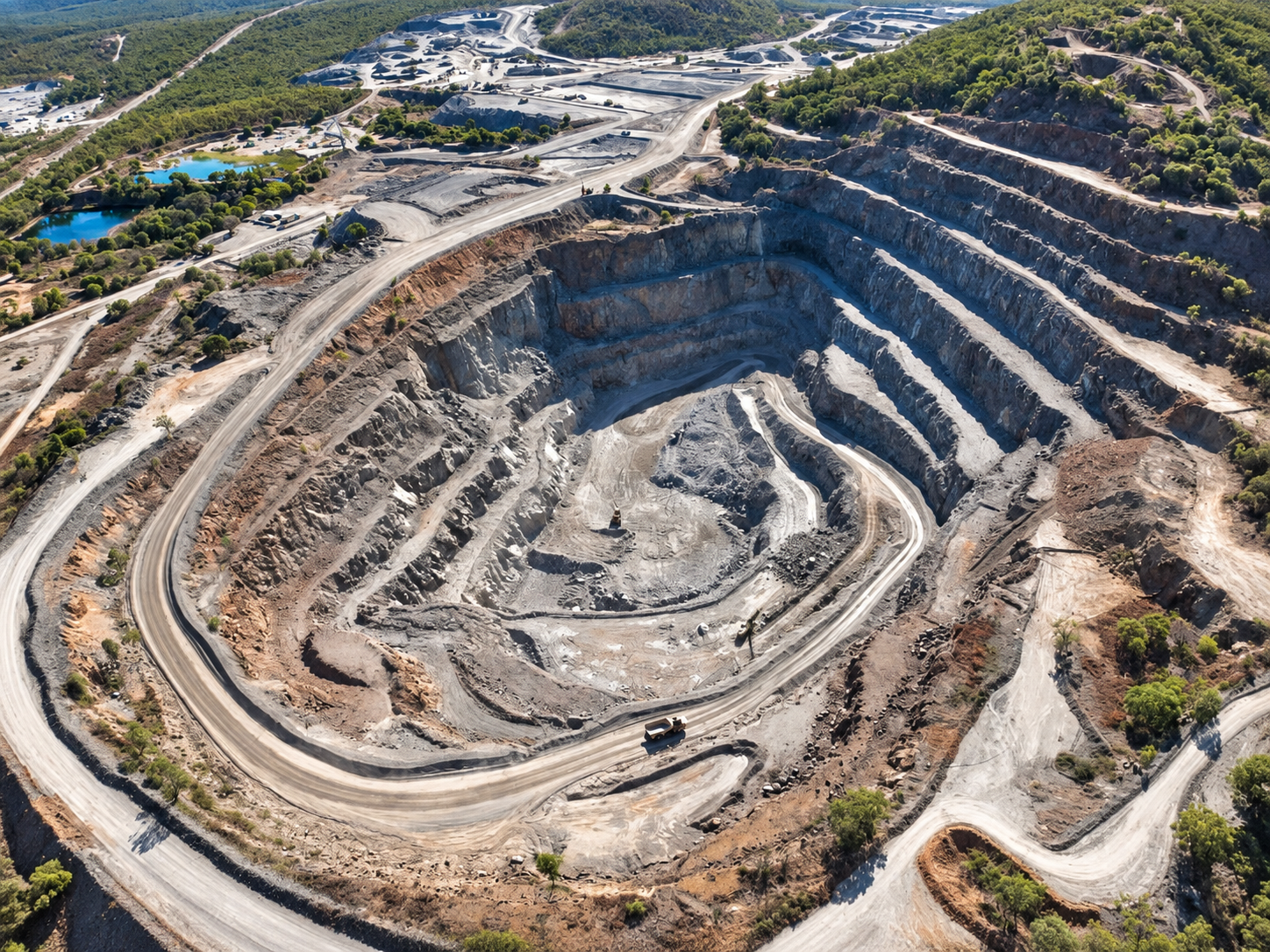
EQ Resources Mount Carbine Mine in Queensland, Australia
Mount Carbine uses a Tomra optical ore sorter, which upgrades the tungsten from the mine by 5–10 times with a 95% recovery. It begs the question: ‘Why doesn’t everyone use an ore sorter!!?’
The answer is these nifty gadgets take many years of fine-tuning for each orebody. Don’t expect new mines like Tungsten West’s Hemerdon to get this performance from their Tomra ore sorter straight out of the gate.
I asked EQ management:
“What are you going to do with all that cash?”
They said:
Expand Mount Carbine, advance Wolfram Camp and Mareeba District Projects approximately 100km from Mount Carbine.
Go downstream into APT production, potentially in the US. Note the January 2027 US government ban on US tungsten users buying tungsten products from China.
Consider tin and tantalum, where we think we have a competitive advantage.
Catt Call:
The last half of 2026 looks like a death-defying rollercoaster for investors. Strong earnings, fiscal dysentery, a weaker dollar and QE offer unbridled excitement.
Higher yields, geopolitical uncertainty and a commodity inflation shock could send markets plunging into the chasm.
Gold, silver, tin and uranium are our favourite commodities to follow tungsten much higher.
Buckle UP — it’s going to be a wild ride…
“I believe the very best money is made at the market turns. Everyone says you get killed trying to pick tops and bottoms and you make all your money by playing the trend in the middle. Well for twelve years I have been missing the meat in the middle but I have made a lot of money at tops and bottoms.”
— Paul Tudor Jones